
1960 shoes for men

As an Amazon associate, Comfy-Kicks.com earns from qualifying purchases at no cost to you.
The 1960s also saw the introduction of more casual yet stylish options, like the classic tennis shoe with its low-cut design and sporty appeal. Brands like Converse and Vans became staples for younger men, blending functionality with a laid-back vibe. Even dressier options, like the pointed-toe loafer, stayed in fashion, offering a balance between formality and ease. These shoes weren’t just about looking good—they were about expressing individuality while staying true to the era’s blend of sophistication and rebellion.
1960 shoes for men in 2026
1. Men’s Platform Shoes

In the 1960s, men’s footwear often prioritized practicality over bold style, favoring simple leather or canvas designs. The Ellie Shoes Men’s Platform, Slvh, Medium Silver stands apart by blending sleek elegance with subtle height. Its polished finish and metallic sheen evoke a modern touch, making it far more distinctive than the utilitarian styles of the era.
The platform design offers both comfort and versatility, allowing for effortless elevation without sacrificing durability. Unlike the heavy, cumbersome boots of the time, this shoe balances style and function, making it ideal for both casual and semi-formal settings. Its medium silver hue also adds a timeless, understated sophistication.
2. Men’s Oxford Suede Business Casual Dress Shoes
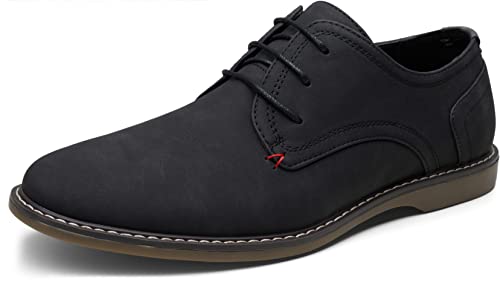
In the 1960s, men’s dress shoes balanced polished formality with subtle sophistication. Suede oxfords like these offered a refined look that fit office attire without sacrificing comfort. The plain toe design kept the focus on clean lines, a hallmark of mid-century elegance.
These shoes endure because they blend durability with classic style. Unlike heavier leather choices, suede provides breathability, making them practical for daily wear. Their timeless design ensures they fit both business and casual settings seamlessly.
3. Dress Tuxedo Shoes

In the 1960s, men’s formal footwear often leaned toward polished leather or suede, prioritizing durability and a classic look. These shoes typically featured simple lace-up designs with minimal embellishments, favoring understated elegance over bold patterns.
Bruno Marc’s version stands out with its rich velvet texture and deep red hue, offering a refined alternative to the more muted tones of the era. The patent finish adds a modern touch while maintaining sophistication, making it ideal for both black-tie events and polished business settings.
4. Men’s Patent Leather Platform Oxfords
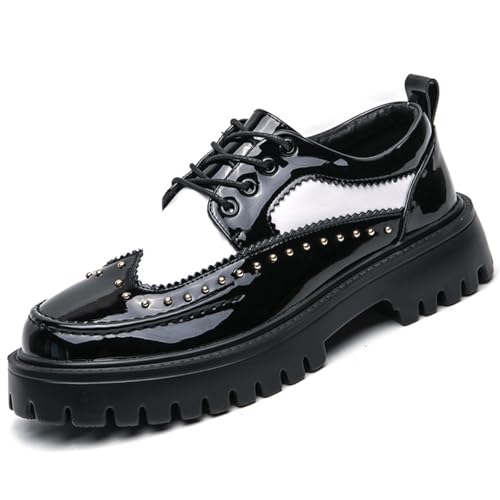
In the 1960s, men’s footwear balanced formality and comfort, but these shoes offer a modern twist. The thick lug sole and block heel provide stability for long days, while the classic round toe fits neatly under suits or blazers. Lace-ups ensure a snug fit, unlike stiff Oxfords of the era.
Patent leather adds a sleek, polished look without sacrificing durability. The platform height elevates style over practicality, making them versatile for both business and casual wear. Unlike flimsy 1960s platforms, this design holds up well.
5. Gatsby Wingtip Brogues

In the 1960s, men’s dress shoes often leaned toward classic black oxfords or polished brown brogues, but these two-tone wingtips offered a bold twist. The sleek, structured design stood out while maintaining sophistication, perfect for smart-casual events where style needed to feel fresh yet refined.
The lace-up construction and pointed toe gave them a modern edge, breaking from the era’s more conservative silhouettes. Multicolor tones brought personality without sacrificing formality, making them ideal for a man who wanted to stand out in a crowd.
6. White Canvas Low-Top Sneakers

In the 1960s, men’s footwear often balanced rugged durability with polished simplicity. These shoes offer that same clean, versatile look with breathable canvas that lets feet stay cool. The low-top design keeps ankles free while maintaining a classic, understated style that fits both work and casual settings.
The laces provide a secure fit, unlike stiff leather shoes of the era, while the white canvas keeps them fresh for years. They’re practical yet timeless, much like the minimalist aesthetic of 1960s men’s footwear.
7. Men’s Classic Modern Oxford Dress Shoes

In the 1960s, men’s dress shoes often leaned toward stiff leather and rigid soles, prioritizing formality over comfort. These shoes demanded precision in lacing and a polished finish, often lacking the subtle flexibility of today’s designs. The Prince wingtip combines classic elegance with modern adaptability, offering a smoother fit that feels as refined as it looks.
Dark brown tones dominated the era’s footwear, blending seamlessly with suits and formal attire. This Prince model mirrors that aesthetic while providing a lighter, more breathable structure, making it practical for both office and evening wear without sacrificing style.
8. Men’s Platform Shoes

In the 1960s, men’s footwear often prioritized comfort over bold style, favoring plain leather or canvas. The Zebra print adds a sharp, retro edge that stands out against the era’s muted tones. A platform boosts height without sacrificing stability, making it practical for casual wear or subtle office settings.
The small size ensures a snug fit, unlike bulkier designs of the time. Zebra stripes bring a playful yet polished touch, blending vintage flair with modern utility. It’s a rare shoe that balances old-school charm with today’s ease.
9. Two-Tone Loafers

In the 1960s, men’s footwear often leaned toward classic styles like loafers and dress shoes, favoring polished leather and monochromatic designs. These shoes were practical for work or formal events, blending durability with a sleek aesthetic. The two-tone penny loafers offered a fresh twist—bold colors and varied textures stood out against the era’s subdued tones.
This style bridged casual and smart-casual wear, letting men express personality without straying from professional norms. The slip-on design made them easy to wear daily, while patchwork details added a modern edge. For men who wanted something distinctive yet timeless, these shoes proved versatile.
10. Men’s Comfort Chelsea Boots
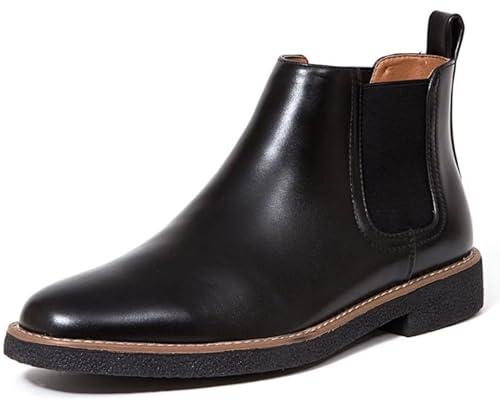
In the 1960s, men’s dress shoes often prioritized rigid structure and formal styling, leaving little room for comfort. The Rockland Chelsea boots offer a refined alternative, blending classic elegance with modern flexibility. Unlike stiff leather styles of the era, these boots provide ample cushioning, making them practical for both office wear and casual outings.
Designed for wide feet, they fit well without sacrificing sophistication. The sleek silhouette mimics the polished look of 1960s dress shoes while offering today’s comfort standards. Perfect for transitional seasons, they balance tradition with modern convenience.
