
1950’s shoes for women

As an Amazon associate, Comfy-Kicks.com earns from qualifying purchases at no cost to you.
Mid-century footwear also featured bold patterns—think floral embroidery, geometric prints, or even bold stripes—while chunky heels and block heels offered comfort for daily wear. Platform shoes, though less common, began appearing in high fashion, adding height without sacrificing stability. Every pair was designed to reflect the era’s blend of sophistication and playful femininity, making them both practical and fashionable.
1950’s shoes for women in 2026
1. Women’s Mary Jane Dress Heels

In the 1950s, women’s heels often prioritized bold silhouettes and structured designs, favoring block heels or stilettos for formal occasions. These shoes demanded precision in craftsmanship, balancing elegance with stability. Mary Jane oxfords, with their low heel and closed toe, offered a refined alternative—ideal for daytime events or office wear without sacrificing comfort.
The 1950s also valued simplicity in footwear, and Mary Jane heels fit that aesthetic perfectly. Unlike high-heeled styles that dominated glamorous settings, they provided a polished look with minimal effort. Perfect for everyday use, they bridged the gap between practicality and style.
2. Vintage Retro Mary Jane Pumps
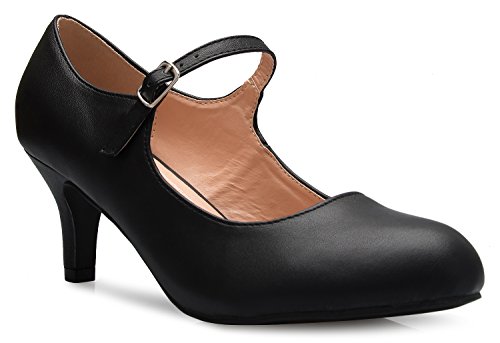
In the 1950s, women’s heels often leaned toward sleek, pointed toes and structured designs that paired well with pencil skirts. These shoes emphasized elegance and sophistication, favoring a polished look over comfort. The classic low mid-heel Mary Jane style bridges that era’s aesthetic with modern versatility, offering a refined touch without sacrificing ease.
Round-toe details bring a touch of vintage charm, recalling the softer, more approachable styles of the decade. Unlike the sharp silhouettes of the ’50s, these pumps feel timeless, blending retro flair with practicality for everyday wear.
3. Fashion Ankle Ruffled Socks

In the 1950s, women’s footwear often paired structured heels with delicate, flowing ankle styles that demanded both support and style. These socks would complement that era’s polished look by adding a refined ruffle detail that matched the elegance of high-heeled shoes without overwhelming the fit. The lace-up design ensures snugness, preventing slippage while keeping ankles secure under the weight of classic pumps or Mary Janes.
The white color offers versatility, blending seamlessly with the muted tones of 1950s dresses and suits. The ruffle adds a touch of playful sophistication, much like the bold yet understated patterns in women’s fashion of the time. They’re practical for daily wear, balancing comfort with the polished aesthetic of vintage footwear.
4. Women’s Mary Jane Pumps

In the 1950s, women’s footwear often prioritized elegance with structured heels and polished leather. Mary Jane styles, like the ankle-strapped designs, offered a refined balance between sophistication and comfort, unlike the stiff, high-heeled shoes of earlier decades. The rounded toe and subtle bow detail added a touch of femininity, making them ideal for formal occasions.
These heels provided a modern twist on classic styles, blending the grace of 1950s fashion with practicality. Unlike the bulky, corseted shoes of the past, they allowed for ease of movement while maintaining a polished look—perfect for evening events or special gatherings.
5. Vintage Office Mary Jane Pumps
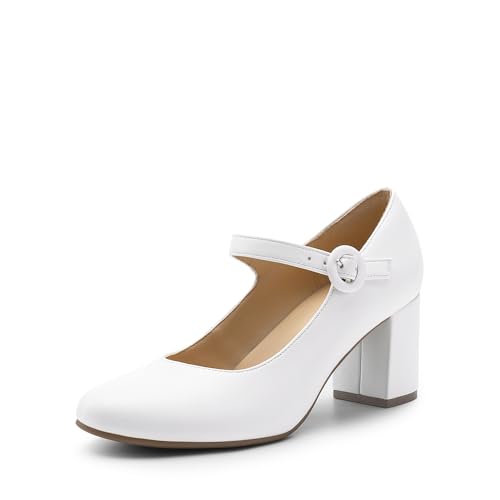
In the 1950s, women’s office shoes often balanced style with practicality, favoring pointed toes and stiletto heels for a polished look. These pumps demanded precision in movement, leaving little room for comfort over long hours.
The chunky heel and low block design of these shoes mimics mid-century elegance while offering better support than the sharp, rigid styles of the era. Round toes and vintage detailing keep the retro charm intact.
6. Vintage Wingtip Brogue Dress Pumps

In the 1950s, women’s footwear often balanced style with practicality, favoring structured oxfords and sleek pumps. These shoes offered polished elegance for formal occasions, blending sharp lines with subtle details like brogue stitching. The perforated wingtips and low chunky heel mimic vintage designs while keeping comfort in mind, perfect for both office settings and evening events.
The lace-up saddles and dressy silhouette evoke mid-century sophistication, much like classic pumps of the era. They’re versatile enough for work but refined enough for dates, capturing the era’s blend of bold fashion and understated grace.
7. Retro Vintage Mary Janes

In the 1950s, women’s shoes often balanced style with practicality, favoring pointed toes and sleek designs. Mary Janes with ankle straps became iconic for their polished look while offering support. These shoes paired well with dresses and suits, blending fashion with comfort.
The retro style of these shoes captures the era’s minimalist elegance, making them versatile for both casual and formal occasions. Their low to moderate heel height kept them accessible for daily wear.
8. Women’s Low Heel Dress Shoes

In the 1950s, women’s footwear often prioritized sharp heels and rigid structures to match the era’s formal styles. These shoes demanded precision and often caused discomfort after long wear. The LIURUIJIA design offers a softer alternative with its low heel and ankle strap, easing pressure while still fitting formal occasions.
The bow detail adds a touch of elegance without sacrificing practicality, unlike the stiff, boxy designs of the time. Unlike the rigid styles of the decade, this style balances comfort and sophistication for modern wear.
9. Saddle Oxford Shoes

In the 1950s, women’s formal footwear often favored sleek, polished styles that balanced elegance with practicality. The black and white saddle oxfords offered a refined alternative to the more common patent leather or polished loafers, blending classic sophistication with subtle sophistication. The smooth, glossy finish would complement evening gowns while remaining versatile for semi-formal occasions.
The 7 M US size ensured a snug fit, a necessity for the higher heels of the era, without sacrificing comfort. The structured design supported the hourglass silhouette popular among mid-century women, making it a staple for both office and social events. The contrast of colors added visual interest, standing out in a sea of monochromatic or metallic tones.
10. Low Chunky Mary Jane Heels

In the 1950s, women’s heels often favored sleek, pointed toes and rigid structures for formal occasions. These shoes demanded precision in fit and often included thin straps or heels to balance elegance with comfort. The chunky design of modern Mary Jane pumps breaks from that era’s minimalist aesthetic while offering a bold, structured silhouette.
Today’s low chunky heels mimic the retro charm of 1950s heels with a practical twist—thicker soles provide stability, and the T-strap adds support without sacrificing style. They bridge the gap between vintage sophistication and modern wearability, making them ideal for both classic and contemporary events.
